
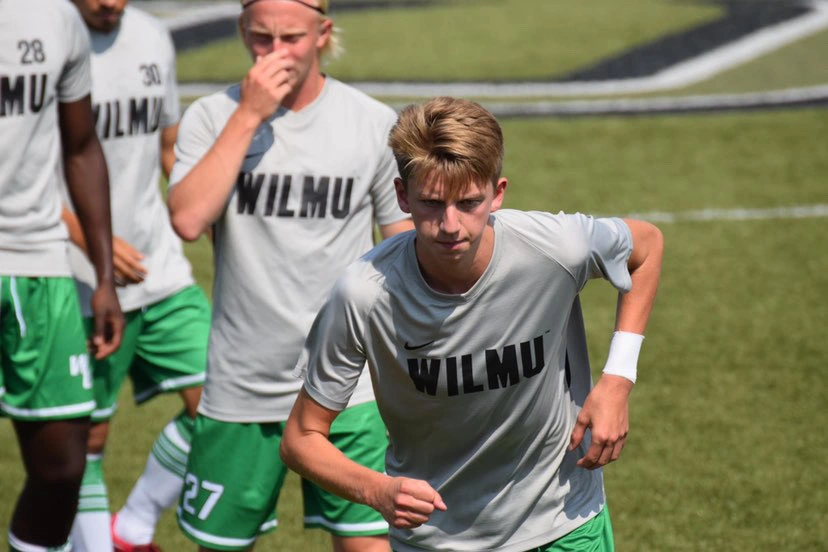

College soccer player running on field

How to Come Best Prepared for the College Soccer Season

Why Being in Shape and Ready for Pre-Season Makes a Difference for College Soccer Players

Ready to excel in the upcoming college soccer season? Marius from Keystone Sports Nordics guides you through the key strategies for optimal pre-season preparation. Learn how to stay in shape off-season and make a strong start for a successful season!

For college soccer players, starting the season fit and ready is a gamechanger. With the season approaching quickly, showing up in poor shape can make it hard get yourself into the team, and there’s little time to get back in form. It’s crucial to be fit, healthy, and injury-free as you head into pre-season training. 

The Importance of Having a Good Pre-Season Shape

Players who arrive at college in good shape, perform well in pre-season, and gain the coach’s trust are the ones who get to play. At the start of the season, coaches will evaluate both new and returning players to see how they’ve stayed in shape over the summer. 

Being well-prepared for the season can make a big difference. For returning players, there’s a long break from the end of the spring semester in early May until pre-season starts in August. A great option is to join a summer league and stay in the USA. The summer league runs from May to July, and if you go deep into the playoffs, you’ll be playing until late July. This keeps you match-fit and sharp for the new season. Plus, it’s a chance to gain more experience and expand your network with teammates and coaches. 

Opportunity to Play with Local Teams During the Summer

Many students also want to go home after a long semester abroad. It’s common for international student-athletes to play with their local team when they return. Most teams will let you train with them, but game time might be limited since coaches prefer to keep their rosters steady. If you’re looking to stay match-fit, consider asking to play with the second team, as I did. 

Planning your summer can be tricky if you want to relax and maybe travel. I played with my local team in Norway from May until mid-June, then took a month off with lighter training before ramping up in the final three weeks before pre-season. I focused on building strength and stamina, as well as working on my soccer skills. Once the soccer season starts, it’s tough to find time for extra gym work since you’ll have two games a week. 

Tips for Acing Pre-Season Training

When pre-season kicks off, expect two training sessions a day and some running tests. These tests are a simple way for college soccer coaches to see how well you trained over the summer. You’ll likely know what tests to expect, such as running 5 km in under 19 minutes. It’s smart to practice these tests yourself during the summer so you know where you stand and can adjust your training if needed. 

Finally, while you’ll want to show off your skills and enjoy the excitement of the new season, being well-prepared will give you a better experience and help you feel ahead of the game. This is exactly what college coaches want to see and sets the stage for a successful season. 

Another tip is to consider taking lighter or fewer classes in the fall. Balancing academics and athletics can be challenging, so it’s helpful to schedule easier classes for the fall and tackle tougher ones in the spring or summer. Talk to classmates, teammates, and school advisers about which classes are less demanding and plan accordingly. 

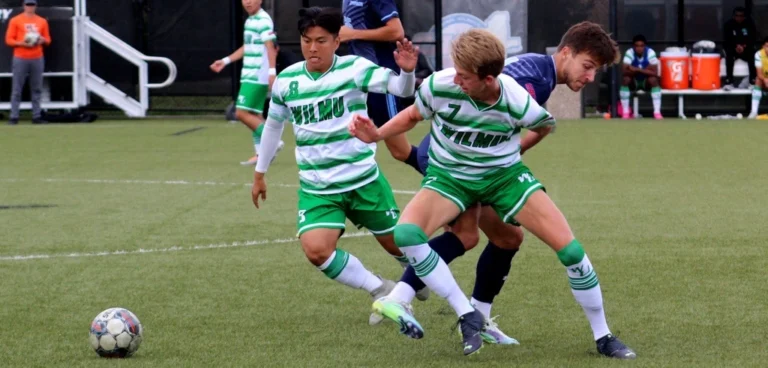
College soccer game

Bond with Your College Team

Also, make an effort to connect with your teammates from the beginning. Getting to know both new and returning players will help you fit in and find your place on the team. Freshmen should especially bond with other freshmen, as they’re also new and eager.  

Connecting with team captains is also a good idea since they’re approachable and understand what it’s like to start out. With the intense training during pre-season, it’s important to rest well and eat healthy. And last advice: remember to keep your energy up and balance training, rest, and social activities!  

Does playing soccer and studying in the US sound exciting? Discover the opportunities available for players in the USA through サッカー奨学金! Keystone Sports will evaluate your scholarship chances—at no cost and with no obligation. Fill out our free assessment now! 

この記事をシェアする

WhatsApp
Facebook
LinkedIn
Eメール
Marius Skattum Dahl

著者について

Marius Skattum Dahl

Marius Skattum Dahl, Recruitment associate at Keystone Sports Nordics, Played soccer at Wilmington University in Delaware while pursuing a Bachelor’s in Business Management. Then did a transfer to Saint Bonaventure University where he played D1 soccer while pursuing his master’s in Business Administration. Marius wants to ensure that student-athletes have a seamless transition into their next phase after high school. He is passionate about seeing student-athletes succeed both on and off the field.    

関連記事
College golf player at golf course
アスリートの健康

大学スポーツシーズンにおける成功の鍵

シーズン中とオフシーズンの違いを知り、競技の年を成功裏に締めくくるために必要なことを学びましょう!キーストーン・スポーツ・ドイツのイミー・カウパーによる記事で、最高のヒントとガイダンスを手に入れましょう。.
もっと見る

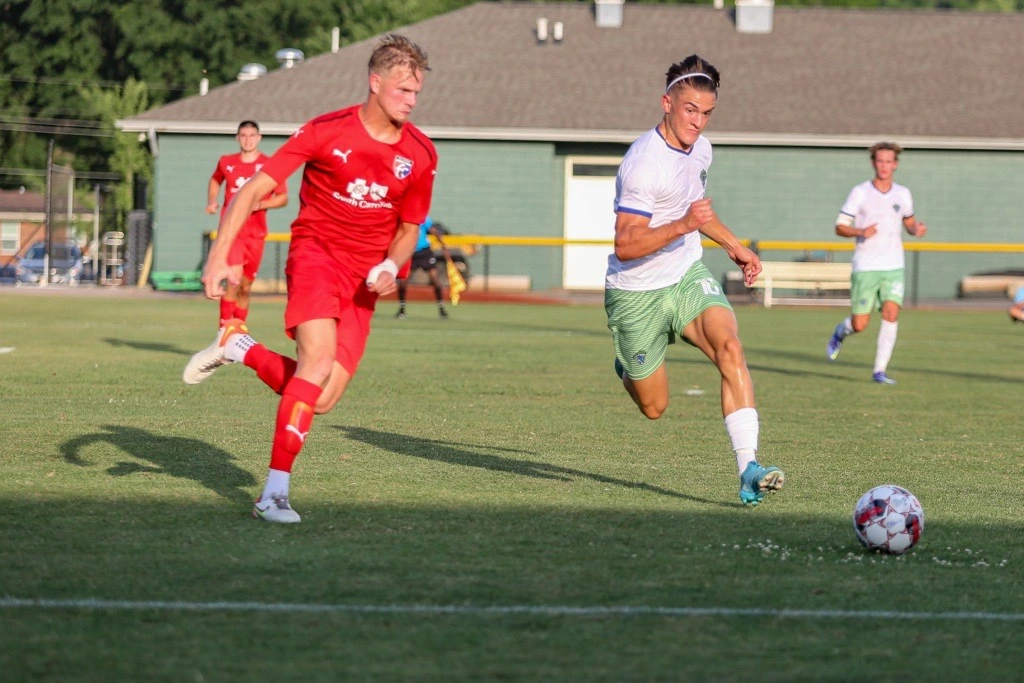
全米大学サッカー スカウティングデイ · ノーサンプトン.

イギリス | 4月26日

アメリカでのサッカー奨学金に向けた重要な一歩を踏み出す準備はできていますか? それなら、キーストーン・スポーツ・カレッジ・サッカー・スカウティング・デイ(Keystone Sports College Soccer Scouting Day)がぴったりのイベントです!4月26日にノーサンプトンのスペンサー・ミル・フットボール・クラブで開催されます。, 私たちは、アメリカの大学サッカー留学制度についての理解を深め、自身の才能をアピールし、専門家による評価を受けることを希望するサッカー選手たちのために、1日を丸ごと割いてプログラムを提供しています。.