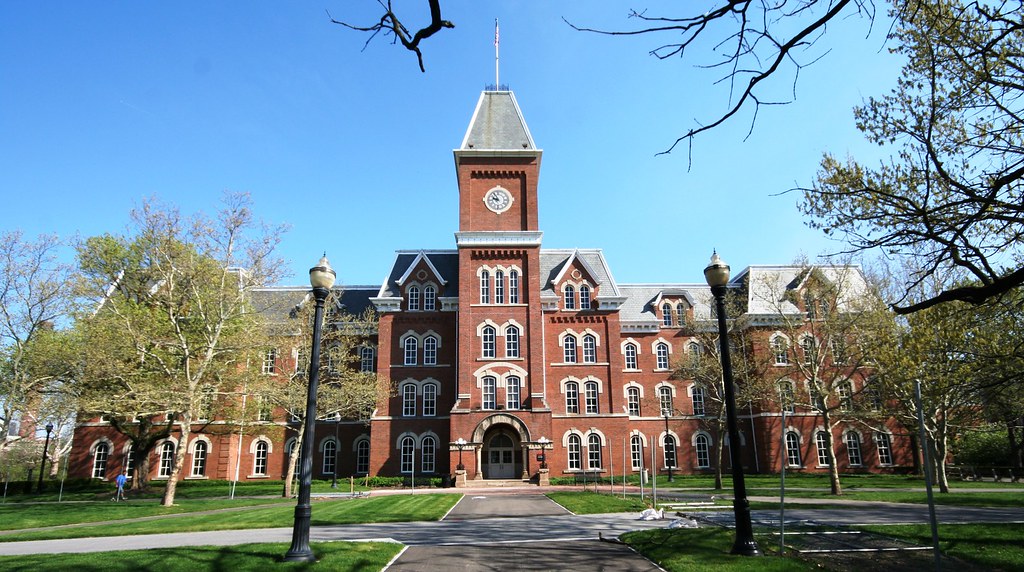

ohio state university building

Difference Between College and University in the USA

Understanding different types of institutions in the U.S. education system

Thinking about studying in the U.S.? One of the first things you’ll notice is that schools are labeled either colleges or universities, but what’s the difference? Both offer amazing opportunities to learn, explore, and grow, yet they often differ in size, programs, and even the vibe of their classrooms. Knowing these distinctions can make a huge difference in choosing the right place for you. 

In this article, you’ll learn:  

  • The differences between colleges and universities  
  • What college and universities have in common 
  • How the terms are used (and sometimes misused) 
  • Sports opportunities for student-athletes 
  • Tips for finding the right fit for you 

Main Differences Colleges vs Universities

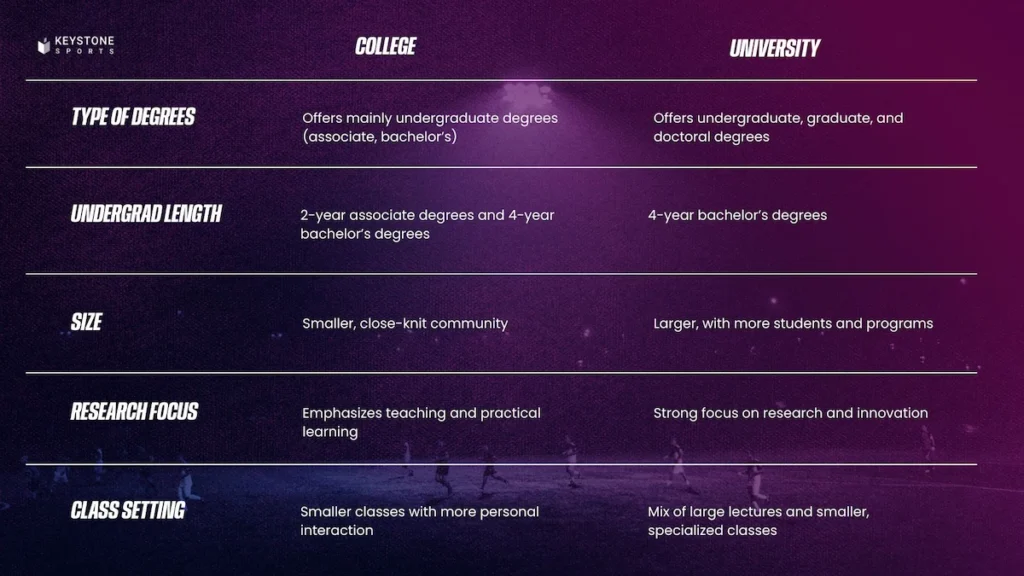
Type of degrees: Colleges usually offer undergraduate degrees, such as associate or bachelor’s programs. Universities, on the other hand, offer a wide variety of undergraduate and graduate degrees, including master’s and doctoral programs. 

Duration of undergrad degrees: In both colleges and universities, a typical bachelor’s degree takes about four years to complete. However, some colleges, known as junior colleges or community colleges, offer two-year associate degree programs instead. Associate degrees allow students to complete general education courses and then transfer to a university to finish their bachelor’s degree in another two years. 

Size: Colleges are generally smaller, with fewer students and a closer-knit community. Universities are larger institutions with thousands of students, more programs, and bigger facilities. 

Research focus: Universities often place a strong emphasis on research and innovation. Professors and graduate students conduct studies and publish academic work. Colleges usually focus more on teaching and practical learning, rather than research. 

Class setting: Classes in colleges often have less students, allowing for closer support and more personal interaction between students and professors. In universities, class sizes can vary; large lectures are common, especially in the first years, but smaller classes are available in more practical courses like labs. 

Infographic showing key differences between colleges and universities in the USA

Similarities Between Colleges and Universities

Degrees: Both colleges and universities offer four-year undergraduate programs. 

Quality of education: The quality of education can be excellent at both types of institutions. It often depends more on the school’s reputation, programs, and professors rather than whether it’s a college or university. 

Type of institution: Both colleges and universities can be either public or private. Public schools are usually funded by the government, while private ones rely on tuition and private funding. 

Student life: Students at both colleges and universities enjoy a lively campus life, including sports, clubs, events, and social activities. The experience often depends on the size and location of the school. 

Admissions and enrollment: Both follow a similar admission process that includes submitting grades, test scores, and forms. 

Watch out! Don’t Get Confused with the Terms

In the United States, it’s very common for people to use the word 大学 to describe all types of higher education institutions—even universities. For example, students might say, “I’m going to college,” whether they attend a small college or a large university. You’ll also hear terms like 大学スポーツ, which actually include athletic programs from both colleges and universities. 

The term “school” is also used in the same way. So, don’t get confused! College, university, 、および school can often mean the same thing in everyday conversation. 

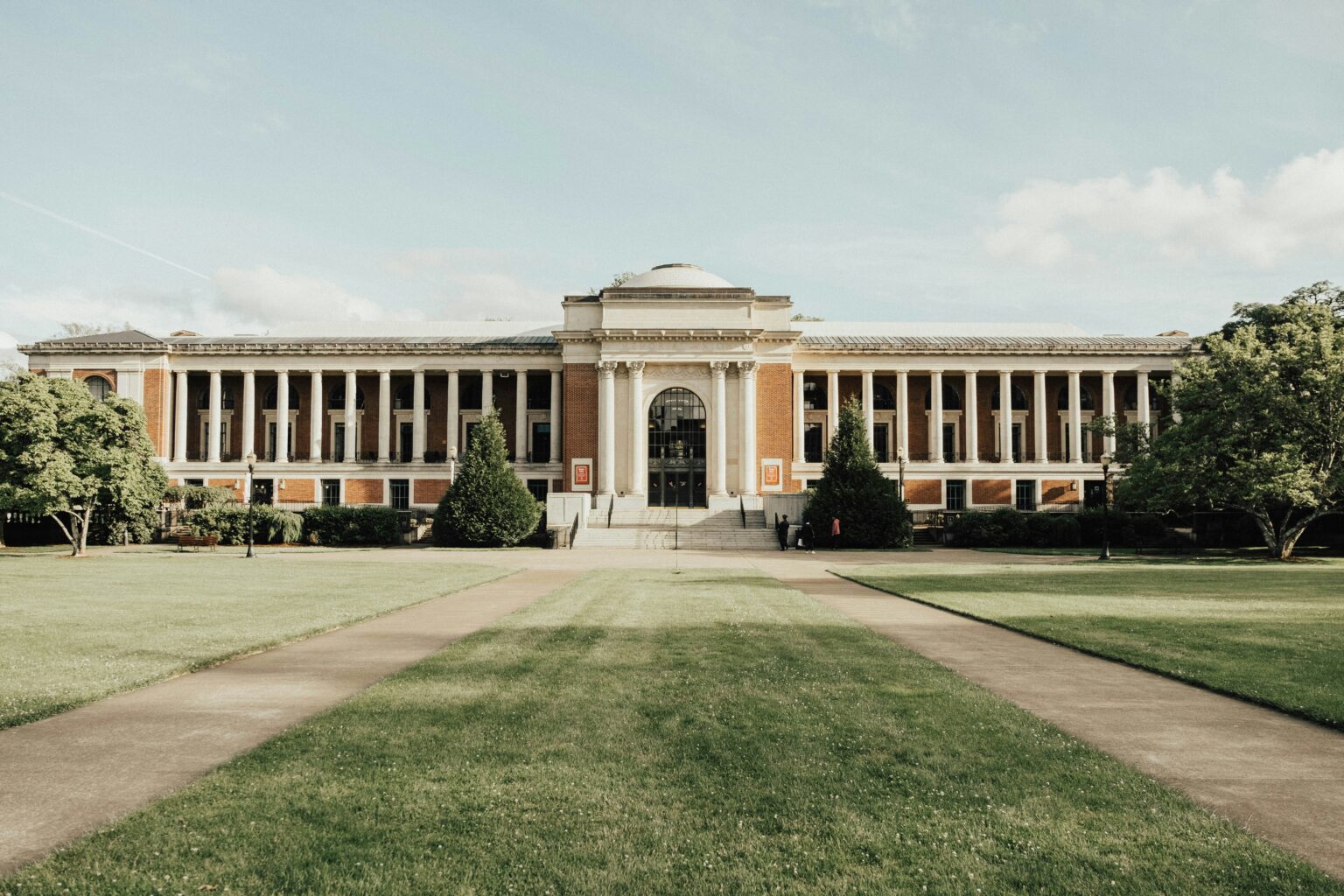
ohio state university building

Where Student-Athletes Can Find College and University Sports Teams

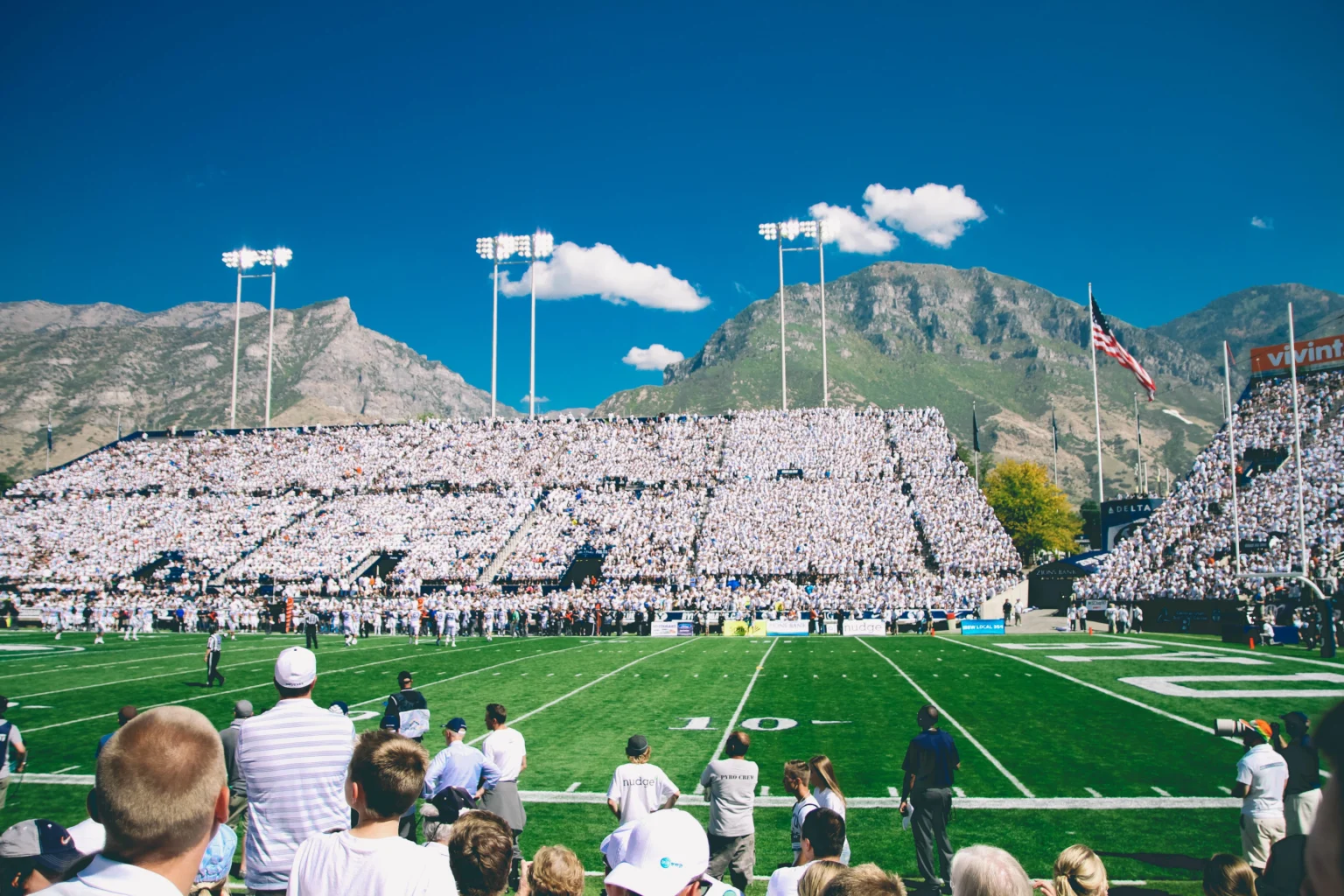
Student athletes can find both colleges and universities competing at all division levels in the NCAA and NAIA. This means you can study and play your sport at a school that fits your academic goals and athletic levels, whether それは a small college or a large university. Both types of institutions offer great opportunities to combine sports and education in the U.S. 

What Is the Best Option for Me: College or University?

Choosing the right school in the U.S. is a major decision, and the right guidance can make all the difference. キーストーン・スポーツ helps student-athletes identify schools and programs that align with both their academic and athletic goals. 

As Europe’s largest college sports recruiting agency, we’ve helped over 15,000 students secure sport scholarships at U.S. universities. Our team provides expert advice and insights, guiding you to the schools and programs where you’ll make the most of your four years in the U.S. 

Complete our free evaluation form, and one of our experts will reach out to help you discover the opportunities that match your goals and ambitions. 

この記事をシェアする

WhatsApp
Facebook
LinkedIn
Eメール
Lorena Montañés

著者について

Lorena Montañés

Lorena Montañés, SEO Specialist at Keystone Sports, pursued her career in the U.S., playing DI soccer at California State University, Fresno. There, she earned degrees in Mass Communication & Journalism and Psychology. She later completed an MBA in Business Analytics while coaching at a Division II university. Now, she aims to empower other student-athletes to achieve their dreams and have a life-changing experience.

関連記事

全米大学サッカー スカウティングデイ · ノーサンプトン.

イギリス | 4月26日

アメリカでのサッカー奨学金に向けた重要な一歩を踏み出す準備はできていますか? それなら、キーストーン・スポーツ・カレッジ・サッカー・スカウティング・デイ(Keystone Sports College Soccer Scouting Day)がぴったりのイベントです!4月26日にノーサンプトンのスペンサー・ミル・フットボール・クラブで開催されます。, 私たちは、アメリカの大学サッカー留学制度についての理解を深め、自身の才能をアピールし、専門家による評価を受けることを希望するサッカー選手たちのために、1日を丸ごと割いてプログラムを提供しています。.